

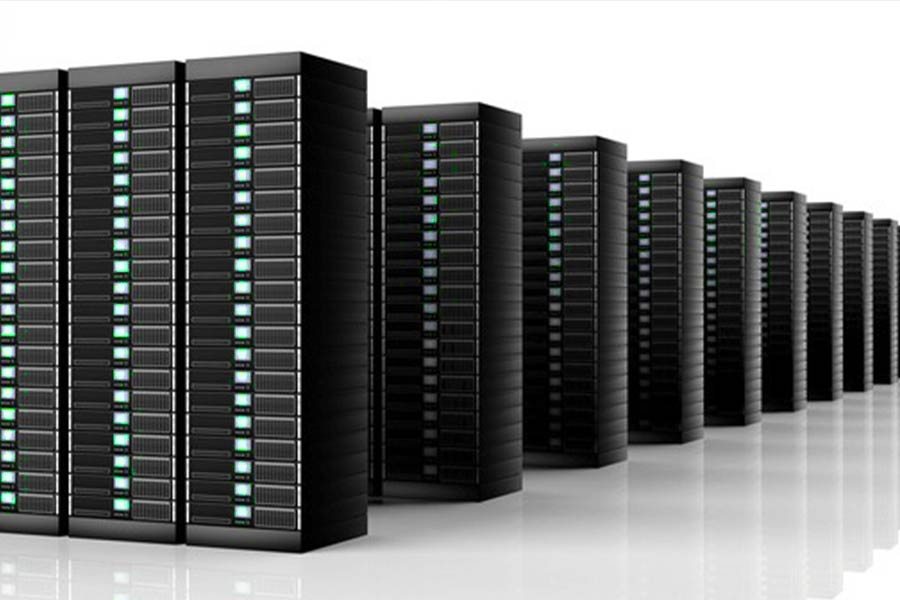
As the world becomes increasingly digitized, data centers are emerging as critical infrastructure for businesses and governments. However, their immense energy consumption has raised concerns about their environmental impact. To address this, industries are exploring innovative solutions such as geothermal energy and artificial intelligence (AI). The integration of these technologies holds the potential to create AI technologies for carbon-negative data center operations, setting a new benchmark for sustainability and efficiency.
Also Read: CIO Influence Interview with Randy Jeter, CEO of Procure IT
The Environmental Challenge of Data Centers
Data centers are energy-intensive, requiring massive amounts of power to maintain operations and cool equipment. According to industry estimates, global data centers consume nearly 1% of the world’s electricity, contributing significantly to carbon emissions. With demand for data processing and storage continuing to rise, mitigating the environmental footprint of data centers has become a pressing priority.
Geothermal Energy: A Renewable Power Source
Geothermal energy harnesses heat from beneath the Earth’s surface, providing a reliable and sustainable source of power. Unlike solar or wind energy, which can be intermittent, geothermal energy is consistent and available year-round. This makes it particularly well-suited for powering data centers, which require uninterrupted electricity.
In addition to powering data centers, geothermal energy can be utilized for direct cooling, reducing the need for energy-intensive mechanical cooling systems. This dual benefit positions geothermal energy as a cornerstone for sustainable data center operations.
AI Technologies for Carbon-Negative Data Centers
AI technologies are transforming how data centers operate by optimizing energy consumption, improving system efficiency, and enabling predictive maintenance. When combined with geothermal energy, AI can amplify the sustainability benefits and pave the way for carbon-negative operations.
1. Energy Optimization with AI
AI technologies excel at analyzing complex datasets and making real-time adjustments to optimize energy use. In data centers powered by geothermal energy, AI can:
- Optimize Power Distribution: AI algorithms can balance energy loads between geothermal sources and backup systems, ensuring minimal reliance on non-renewable energy.
- Reduce Cooling Requirements: AI can analyze temperature data and dynamically adjust cooling systems, leveraging geothermal cooling to minimize energy consumption.
- Predict Peak Demand: AI systems can forecast periods of high computational demand and preemptively optimize energy allocation, reducing strain on geothermal resources.
2. Dynamic Resource Allocation
AI can monitor and manage the allocation of computing resources to reduce energy waste. For instance:
- Workload Distribution: AI can distribute workloads across servers to maximize efficiency and prevent overheating, thereby reducing cooling requirements.
- Virtualization and Consolidation: By leveraging virtualization, AI can consolidate workloads onto fewer servers during off-peak hours, allowing non-essential systems to power down.
3. Predictive Maintenance
Data center equipment, such as servers and cooling systems, requires regular maintenance to operate efficiently. AI-powered predictive maintenance can:
- Detect Anomalies Early: AI algorithms can identify patterns indicating potential equipment failure, enabling timely repairs.
- Reduce Downtime: Predictive maintenance minimizes unscheduled outages, ensuring consistent operations and reducing the need for backup power sources.
- Extend Equipment Lifespan: By preventing wear and tear, AI can help extend the lifespan of servers and cooling systems, reducing the environmental impact of manufacturing and disposal.
4. Carbon Monitoring and Reporting
AI can play a pivotal role in tracking carbon emissions and ensuring compliance with sustainability goals.
- Real-Time Monitoring: AI systems can measure emissions from data center operations and provide real-time insights.
- Lifecycle Analysis: AI can analyze the carbon footprint of equipment, from manufacturing to disposal, helping organizations identify areas for improvement.
- Regulatory Compliance: AI can generate detailed reports to ensure compliance with environmental regulations and support carbon offset initiatives.
Also Read: The Cloud + Remote Access Platforms = Your Key for Securing Generative AI
Benefits of the Geothermal-AI Fusion
The integration of geothermal energy and AI technologies offers several benefits:
- Carbon-Negative Potential: By combining geothermal energy’s renewable power with AI-driven efficiency, data centers can achieve a net-negative carbon footprint.
- Cost Savings: Geothermal energy provides a cost-effective power source, while AI reduces operational costs by minimizing energy waste.
- Resilience: AI enhances the reliability of geothermal-powered data centers by optimizing resource use and preventing equipment failures.
- Scalability: The fusion of geothermal and AI technologies can be scaled across multiple data centers, enabling broader adoption of carbon-negative practices.
Real-World Applications
- Cloud Computing Providers: Major tech companies are already exploring geothermal energy for their data centers. Integrating AI can further enhance these initiatives by improving energy efficiency and enabling dynamic resource management.
- Government Data Centers: Governments can adopt geothermal-AI solutions to reduce the environmental impact of critical infrastructure while meeting sustainability targets.
- Hyperscale Data Centers: Large-scale data centers can benefit from geothermal energy’s consistent power supply, with AI optimizing operations to handle fluctuating computational demands.
The fusion of geothermal energy and AI technologies for carbon-negative data center operations represents a transformative approach to sustainability. By leveraging the renewable power of geothermal energy and the efficiency of AI, data centers can reduce their environmental impact while meeting the growing demands of the digital era. Though challenges remain, the potential for innovation and scalability makes this an essential strategy for achieving a greener, more sustainable future.
